Compare Local Contractors for Drain Line Replacement Projects
Compare local contractors to define project scope, verify experience, and set clear expectations in writing for effective drain line replacement.
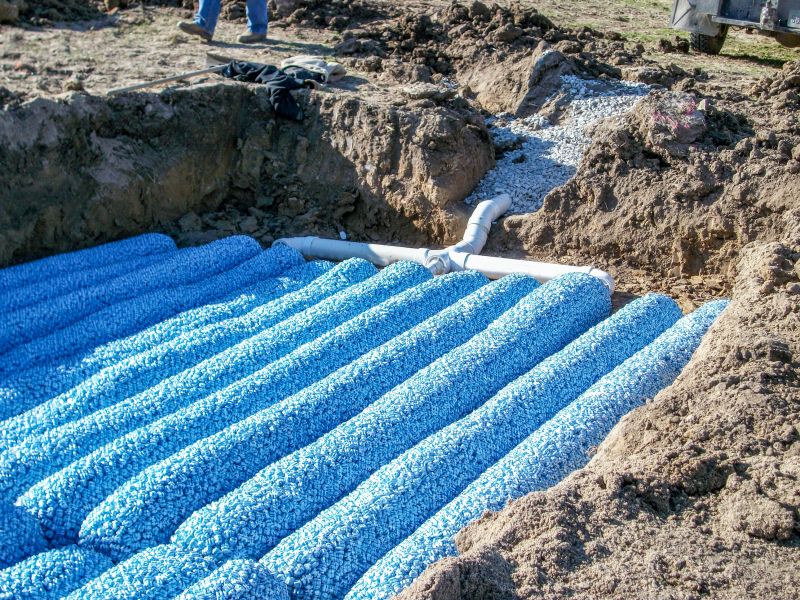
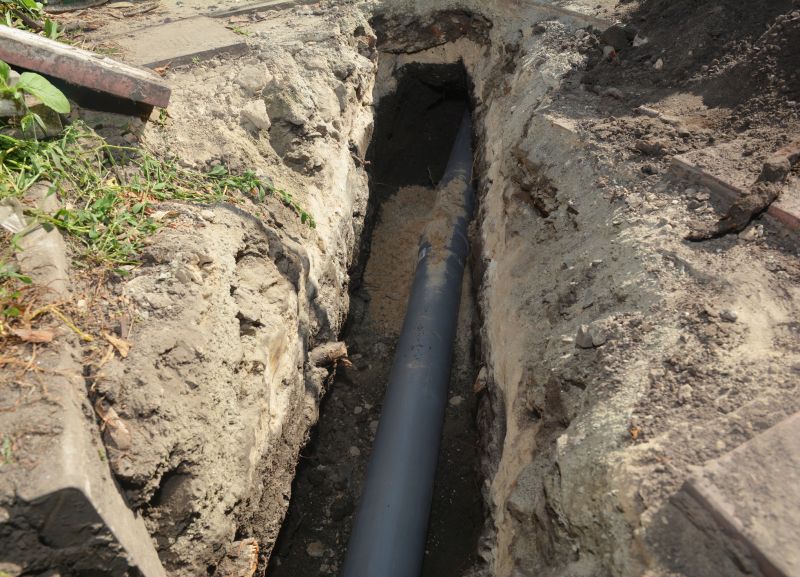
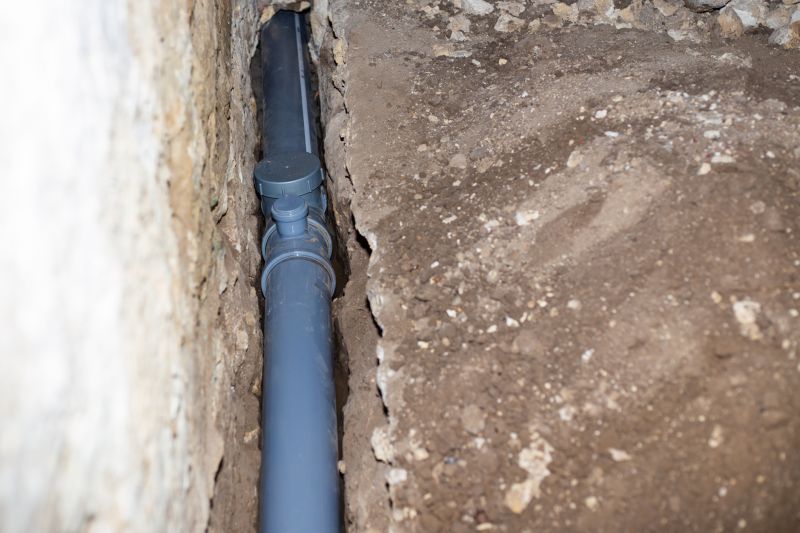
Drain line replacement is a specialized service that involves removing and installing new underground pipes that carry wastewater from a property to the main sewer system or septic tank. This work typically covers assessing the existing drainage system, excavating the affected areas, removing damaged or deteriorated pipes, and installing new lines that meet the property's needs. Proper installation ensures effective wastewater flow and helps prevent future issues like backups or leaks. Since drain lines are often located beneath foundations, yards, or driveways, the scope of work can vary significantly based on the property's layout and the extent of the damage.
Defining the scope of drain line replacement is essential for property owners to ensure the project addresses all necessary repairs and avoids unexpected complications. Clear communication about the work to be done-including the length of pipe to be replaced, the type of materials used, and the areas affected-helps set realistic expectations. Documenting these details in writing can also prevent misunderstandings and provide a reference for the work agreed upon. Property owners should seek detailed descriptions of the services offered by local contractors, including any potential additional steps like site restoration or addressing underlying issues that may influence the scope.
When comparing local contractors for drain line replacement, property owners should consider experience with similar projects and the methods they use. Verifying that service providers have a history of completing underground pipe work reliably can provide confidence in their capabilities. It’s also beneficial to review the scope of work outlined by each contractor, ensuring it covers all aspects of the project as discussed. Asking for written proposals that specify the work to be performed and materials to be used allows for an apples-to-apples comparison. This approach helps property owners identify service providers who can meet their project needs with clarity and professionalism.
Compare local contractors by outlining your priorities, verifying experience, and setting clear expectations in writing.
- Compare Contractor Experience - Review the background and previous work of local contractors to ensure relevant expertise.
- Define Project Scope Clearly - Establish detailed expectations and responsibilities in writing before work begins.
- Verify Credentials and References - Check references and credentials to confirm the reliability of service providers.
- Request Written Agreements - Ensure all project details, including scope and responsibilities, are documented in a formal contract.
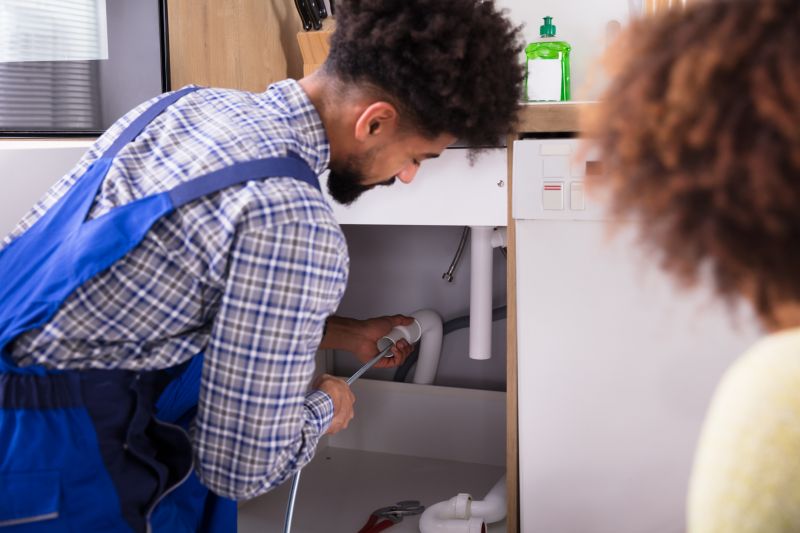
Clearly describe your drain line replacement project to effectively compare local contractors, verify experience, and set expectations in writing.
- Verify the contractor’s experience with drain line replacements to ensure familiarity with the scope of work. - Look for service providers who clearly outline the scope of the drain line replacement in writing.
- Compare multiple local contractors to evaluate their methods and approach to drain line replacement projects. - Ensure that the scope of work and materials are specified and consistent across proposals.
- Check that the contractor provides detailed written estimates that include the scope, materials, and work process. - Clarify the steps involved in the replacement to set proper expectations.
- Assess the contractor’s communication style and responsiveness to questions about the drain line replacement process. - Good communication helps ensure the project scope and expectations are aligned.
- Review the contractor’s references or past work related to drain line replacements to gauge their experience and reliability. - Confirm that previous projects meet the specific requirements of drain line replacement.
- Ensure the scope of work, materials, and responsibilities are documented in a detailed contract before work begins. - A comprehensive written agreement helps prevent misunderstandings during the project.
Compare local contractors' experience and clarify scope to ensure smooth drain line replacement projects.
Use consistent comparison criteria to evaluate local contractors’ scope, experience, and written expectations for drain line replacement.
- Scope Definition - Clearly outline the specific tasks involved in the drain line replacement to establish the project scope.
- Material Selection - Specify the types of piping and materials to be used for the new drain line.
- Experience Verification - Confirm that service providers have relevant experience with drain line replacement projects.
- Work Area Preparation - Describe the necessary steps to prepare the work site for drain line removal and installation.
- Written Agreement - Ensure all project details, responsibilities, and expectations are documented in a written scope agreement.
When comparing contractors for drain line replacement, it’s important to evaluate their experience with similar projects. Homeowners should inquire about the types of drain line replacements the service providers have performed, paying attention to the complexity and scope of those jobs. Contractors with a history of handling projects comparable in size and difficulty are more likely to understand the unique challenges involved and deliver quality results. Gathering details about their past work can help ensure that the chosen service provider has the relevant expertise needed for the specific needs of the home.
A clear, written scope of work is essential when assessing different contractors. Homeowners should request detailed descriptions of what the project will include, such as the extent of excavation, materials to be used, and any additional services provided. A well-defined scope helps prevent misunderstandings and sets proper expectations from the start. It also provides a basis for comparing what each service provider offers, making it easier to identify the most comprehensive and transparent proposal.
Verification of basic qualifications involves confirming that the contractor has the necessary experience and a solid track record with drain line replacements. Homeowners can ask for references or examples of completed projects, and consider the contractor’s reputation within the local community. Checking for any relevant local permits or compliance with industry standards can also be part of the verification process. While licensing and certification are not always required, gathering as much background information as possible can assist in making an informed decision about the reliability and professionalism of the service providers under consideration.
Evaluating options without focusing on prices involves examining the quality of the services offered, the clarity of the scope, and the experience of each contractor. Homeowners should compare the details of each proposal, paying attention to how well the scope aligns with their project needs and whether the contractor’s experience matches the specific requirements. Asking questions about the approach and materials used can further clarify the level of professionalism and expertise. By focusing on these aspects, homeowners can select a contractor who demonstrates a thorough understanding of drain line replacement and offers a comprehensive, transparent plan for the work.
Ask contractors to provide written scope details to ensure clear expectations and consistent project understanding.
- Experience and References - What experience do the service providers have with drain line replacement projects similar to this one?
- Scope of Work - How will the contractors define and clarify the scope of work to ensure all expectations are aligned?
- Materials and Methods - What types of materials and replacement techniques do the local contractors recommend for durability and compatibility?
- Warranties and Guarantees - Are warranties or guarantees included, and how are they documented in the scope of work?
- Comparison and Selection - What criteria should be used to compare different contractors’ approaches and ensure a clear understanding of their proposed scope?
How can I compare contractors for drain line replacement? Reviewing credentials, reading customer reviews, and requesting detailed scope descriptions can help compare local service providers effectively.
What should I consider when defining the scope of drain line replacement? Clearly outlining the extent of work, materials needed, and any specific concerns ensures contractors understand the project requirements.
How do I verify the experience of a drain line replacement contractor? Asking about previous projects, years of experience, and areas of specialization can provide insight into a contractor’s expertise.
Why is it important to get everything in writing? Having a written agreement that details the scope, expectations, and responsibilities helps prevent misunderstandings and sets clear project parameters.
What questions should I ask contractors during the selection process? Inquire about their process for diagnosing issues, the methods they use, and how they handle unexpected complications.
How can I ensure the contractor understands my specific needs? Providing detailed descriptions of the problem and desired outcomes, and requesting a written plan, can help ensure alignment on project goals.
This page has provided an overview of how to find qualified contractors for drain line replacement, including tips on defining the scope of work, verifying experience, and setting clear expectations in writing. By understanding these key points, visitors can make more informed decisions when comparing service providers in their area. Using the quote form to connect with local contractors makes it easier to explore options and find the right match for the project.
Taking the time to compare local service providers ensures that the chosen contractor aligns with specific needs and project requirements. The quote form offers a straightforward way to gather information and start conversations with experienced contractors nearby. This approach supports making well-informed choices when selecting a professional for drain line replacement.